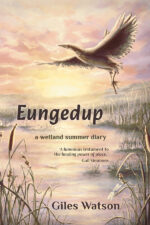
Nandi Chinna reviews Eungedup: A Wetland Summer Diary in all its ‘croaking, zazzing, oozing’ glory
Saved from the brink of destruction by community effort, the Eungedup wetlands between Albany and Denmark become the centre of healing in Giles Watson’s latest work, Eungedup.
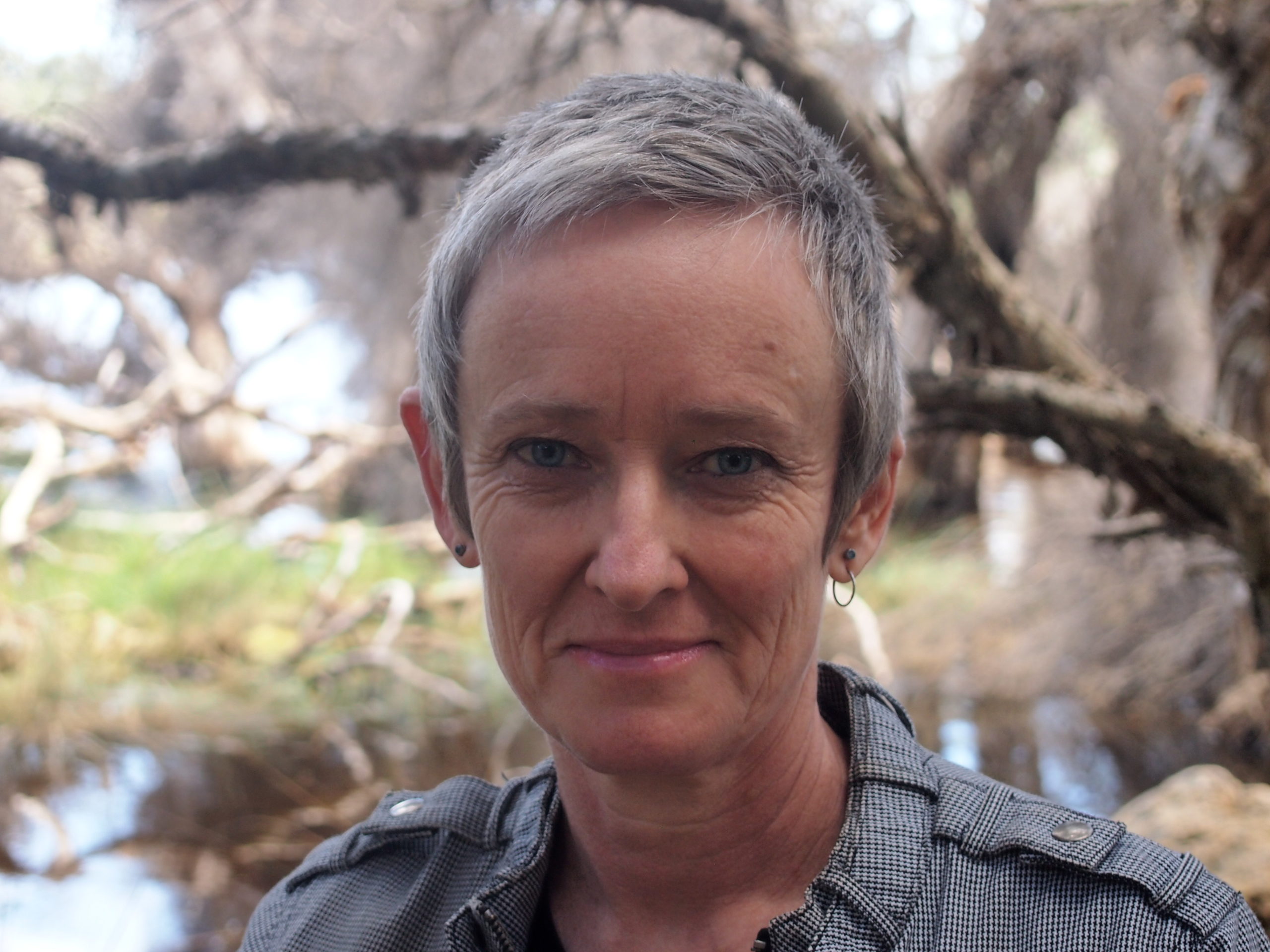
Poet and researcher Nandi Chinna reflects on how Giles Watson’s attention to the nature around him is returned tenfold.
In search of a ‘Place that is open to receive the one who does not belong’, (author’s capitalisation) a place where he can ‘breathe’, south coast teacher and poet Giles Watson stumbles upon Eungedup wetlands.
Watson’s wetland summer diary is a moving evocation of a human seeking solace, seeking a wild place which will receive him and allow him to heal. Watson feels ‘called’ by the wild birds, insects and animals of Eungedup wetlands, a place itself that was on the brink of extinction before being purchased and saved by the community.
In this intimate rendering of observation and relationship, Watson weaves a multisensory map of sounds, textures, and daily encounters with Eungedup’s myriad beings going about the daily business of existence and, in doing so offers us a new language to comprehend the phenomena of this web of biodiversity.
Watson diarises his struggle with chronic fatigue syndrome, alongside the elation and poetry that the wetlands offer him. His short lyrical poems give story and agency to the minute lives of insects, honouring their place in the cycle of life. Watson’s rhyme scheme and the use of dashes works to slow the reader down, almost into a sing-song kind of reverie where we can absorb his reverent moments of sunlight, wings and storm.
Whilst there is a romanticism in this poetry, it also contains an intimate and urgent message, that we need places like Eungedup to continue to be, we need them as much they need our protection. Eungedup is medicine for human despair and illness, precisely because it is so radically different to humans. Places like Eundegup – croaking, zazzing, oozing, and fluttering – need to be protected for their own sake, as well as for the gifts they continue to offer. As Watson writes of the grass-dart butterfly, ‘glimpsing her tiny life/is Antidote – for sorrow –’.
The tenderness of this rapport between Watson and Eungedup is reminiscent of American theologian and activist Thomas Berry’s Meadow in which Berry explains that his encounter with a living Meadow ‘gave to my life something, I know not what, that seems to explain my life at a more profound level than almost any other experience I can remember. (T. Berry, 1993, p. 1)
Berry writes that his experience of the meadow has become a kind of centre, a point from which all thought and action are measured and judgments made:
Whatever preserves and enhances this meadow in the natural
cycles of its transformation is good; what is opposed to this meadow
or negates it is not good … It is also that pervasive. It applies in
economics and political orientation as well as in education and
religion and whatever. (T. Berry, 1993, p. 3)
Ultimately, what comes through Eungedup: a wetland summer diary is the generosity of this wetland environment to receive Watson with his grief, homesickness, fatigue and doubt, and, through its singing, offer him a sense of being at home in the world.
Berry, T. (1993). The Meadow across the Creek. Journal. Retrieved from http://www.thomasberry.org/