‘Queer folk have always been here’: Fiona Wilkes on connecting with a lost generation
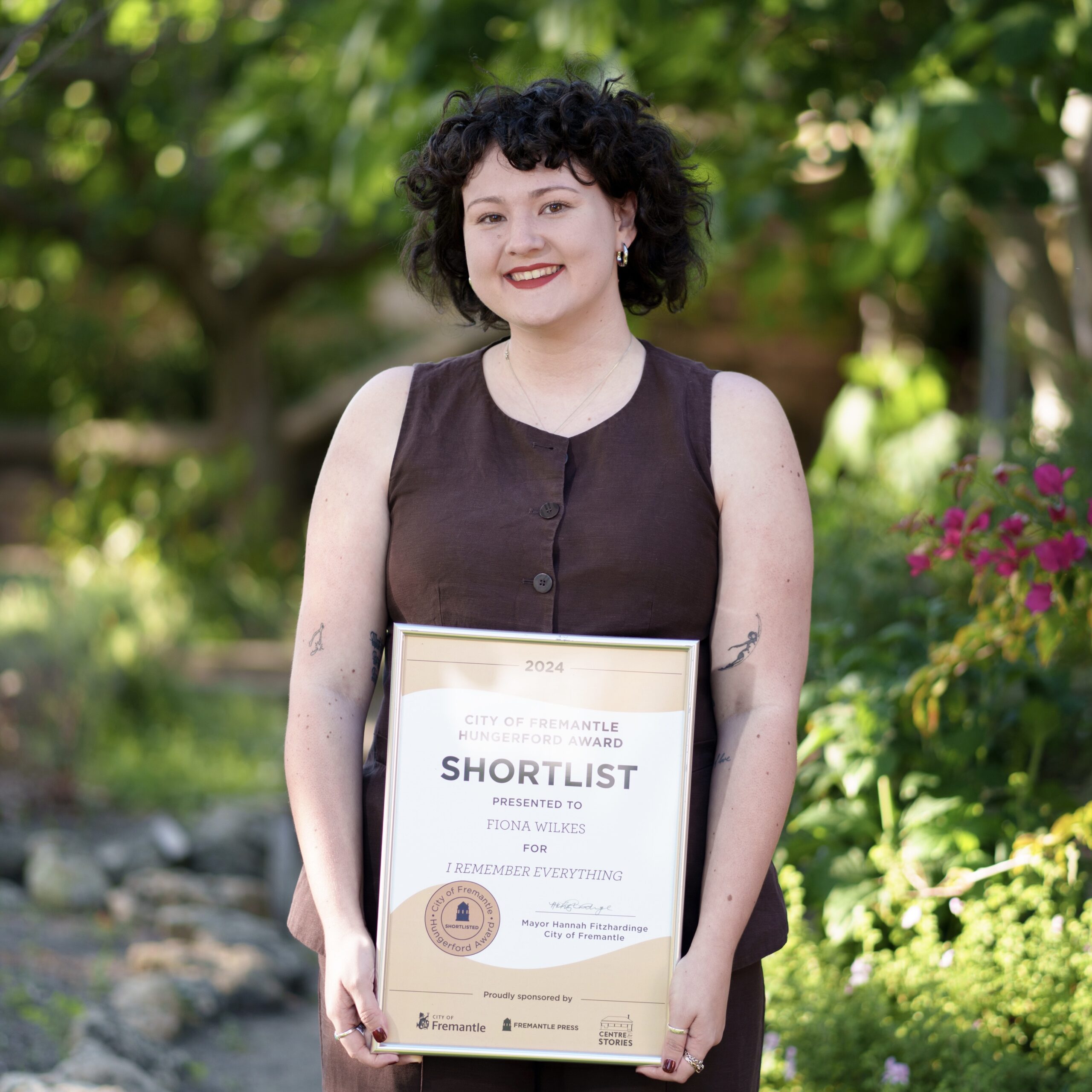
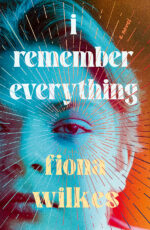
Shortlisted for the 2024 Hungerford Award, I Remember Everything is Fiona Wilkes’s debut novel. Crossing timelines, from Bristol in the 1980s to 2020 London, I Remember Everything takes a poignant look at first love, chosen family and coming out, just as the devastation of the AIDS epidemic looms.
In this interview, Fiona reflects on the importance of remembering queer elders, writing authentically, and creating characters from life.
What prompted you to tell the story of the generation of queer elders above you?
I was reading a lot about this period, and I realised both how much I didn’t know about it and also how much my peers don’t know about it. I started ruminating on that and realised that there is almost an entire generation of queer folks above us that we have had no access to, because this awful thing happened. I wanted people my age and younger to be able to connect to this lost generation and take guidance from them as much as we can. So I wanted us to remember what we’ve lost but also reflect on what we might gain from knowing about those who came before us. And that’s also why I have the characters of Aunt Sarah and Greg in the book too, to go another generation or even two back and learn from them. Queer folk have always been here, yet so little is known about our histories. This is one tiny attempt to tell the story.
What research did you do to make this story feel authentic? And why did you choose to write in a way that often feels more like a memoir than a novel?
It wasn’t an intentional choice to write it in a way that blurred the lines between memoir and novel. I know that might not sound believable given what the novel is, but the only way I could get into the intricacies of this friendship group was to embody someone who was once there, and who was also forced to reflect on what being there was like. The memoir-feel comes from Billie’s voice, I think. But that wasn’t the difficult part of writing it. I’m a deeply nostalgic person and I live so much of my life in the past so embodying an act of remembering on page was actually the simple bit. It was everything else that was tricky!
Where did your characters come from? Who do you relate to most? And who would you most like to have as your friend?
They come from nowhere and everywhere! I like to build characters from the small things they do up to their big character-defining actions. I’m a thief from life, so it might be that a friend of mine plays with their hair the way Ted does, or scrunches up their nose like Dave, but it doesn’t mean that those characters are in any way based on those friends. I’ve just borrowed idiosyncrasies from them the same way I’d borrow a pencil. And sometimes the quirks of these characters come from complete strangers. I was sitting in a café once and I saw a man playing with his ring finger the way Eleanor does, like he was flicking an invisible cigarette. And I have no idea who that man was or if he actually was a smoker or what – but I never forgot the way his hands looked. In terms of who I relate to the most, it probably is Billie. Apart from the fact that I’ve lived in most of the places she has lived, we aren’t that similar on paper, but I think we love in similar ways, and we have similar fears. I was racking my brain because what I really want is to be in this friendship group. I think one character I really love who actually has less of a starring role because she doesn’t move with the group to London is Dave. I just think this lanky, laddish girl with the chipped front tooth is so endearing and I’d love to talk to her about Byron’s sexuality.
What is next for Fiona Wilkes?
I’m a superstitious writer so I never reveal what my next project is until it’s done! Let’s just say that what is next for me is a lot more writing, and I’m excited to see where that takes me.
I Remember Everything is available now from all good bookstores and online.