The Power of Connection: Reflections from the Big Day of Books
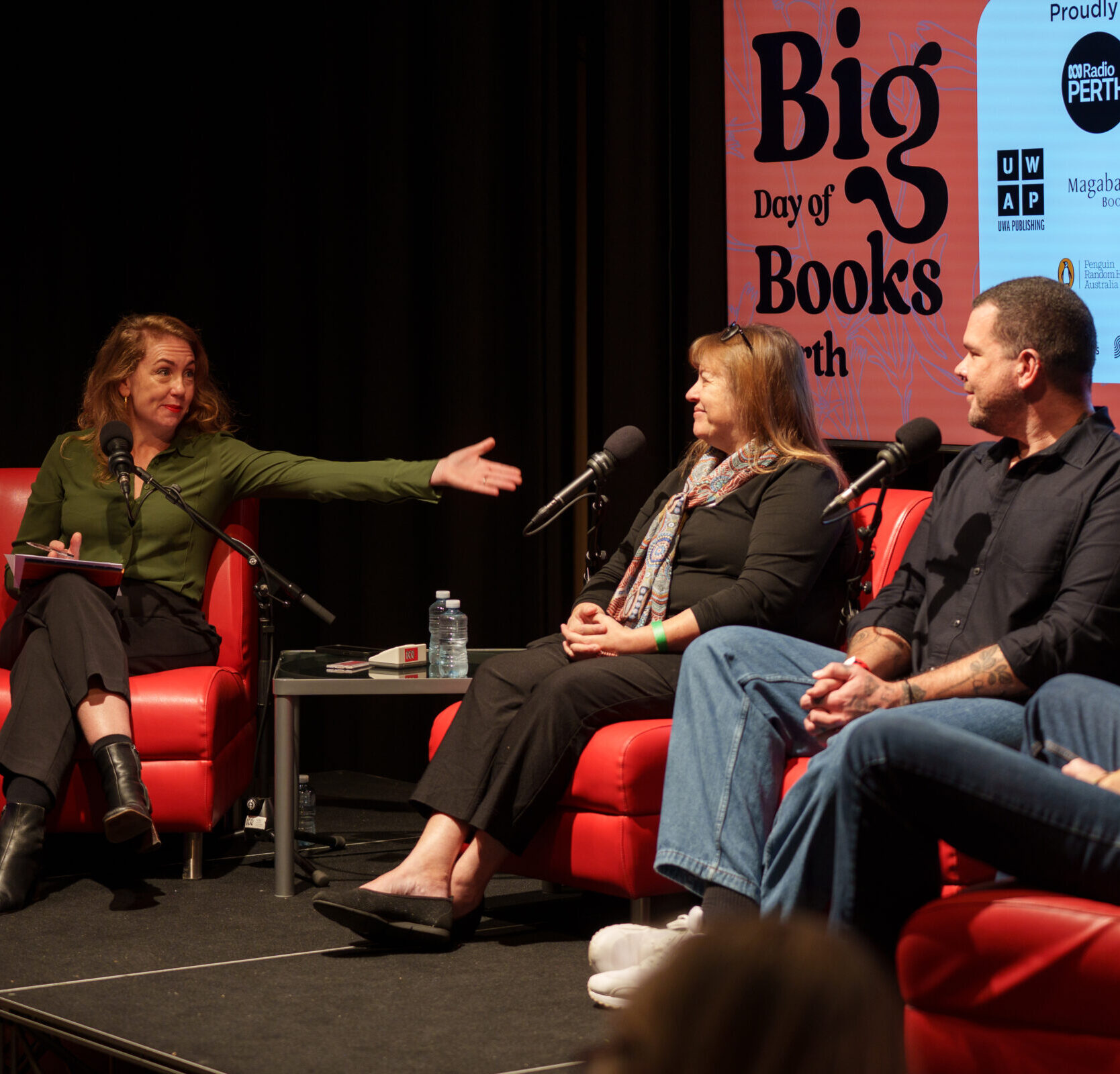
On the surface, it seemed as though each panel during the Big Day of Books on 28 June at ABC Radio Studios Perth was going to be vastly different from each other. But as the conversations unfolded, a common theme linked them together: storytelling as connection.
This seems fitting, not only because we currently live in a time defined by the digital, where it feels increasingly harder to determine what’s real and what’s not, but because the event was made possible by several organisations coming together, including ABC Radio Perth, UWA Publishing and Magabala Books.
Through the six thought-provoking sessions, writers and readers alike explored how narratives help us process trauma, uncover buried secrets, find belonging and share laughter – all while forging deeper connections to ourselves and others.
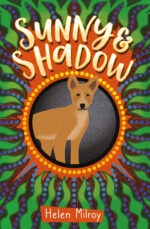
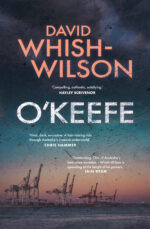
The event opened with a powerful session on identity and healing with Helen Milroy, Bebe Oliver and David Whish-Wilson, where the authors explored how storytelling provides a pathway through trauma. As Helen noted, ‘Trauma disconnects us from our emotions,’ but narrative offers a structure that allows people to process difficult experiences by providing a beginning, middle and the crucial ability to imagine a future.
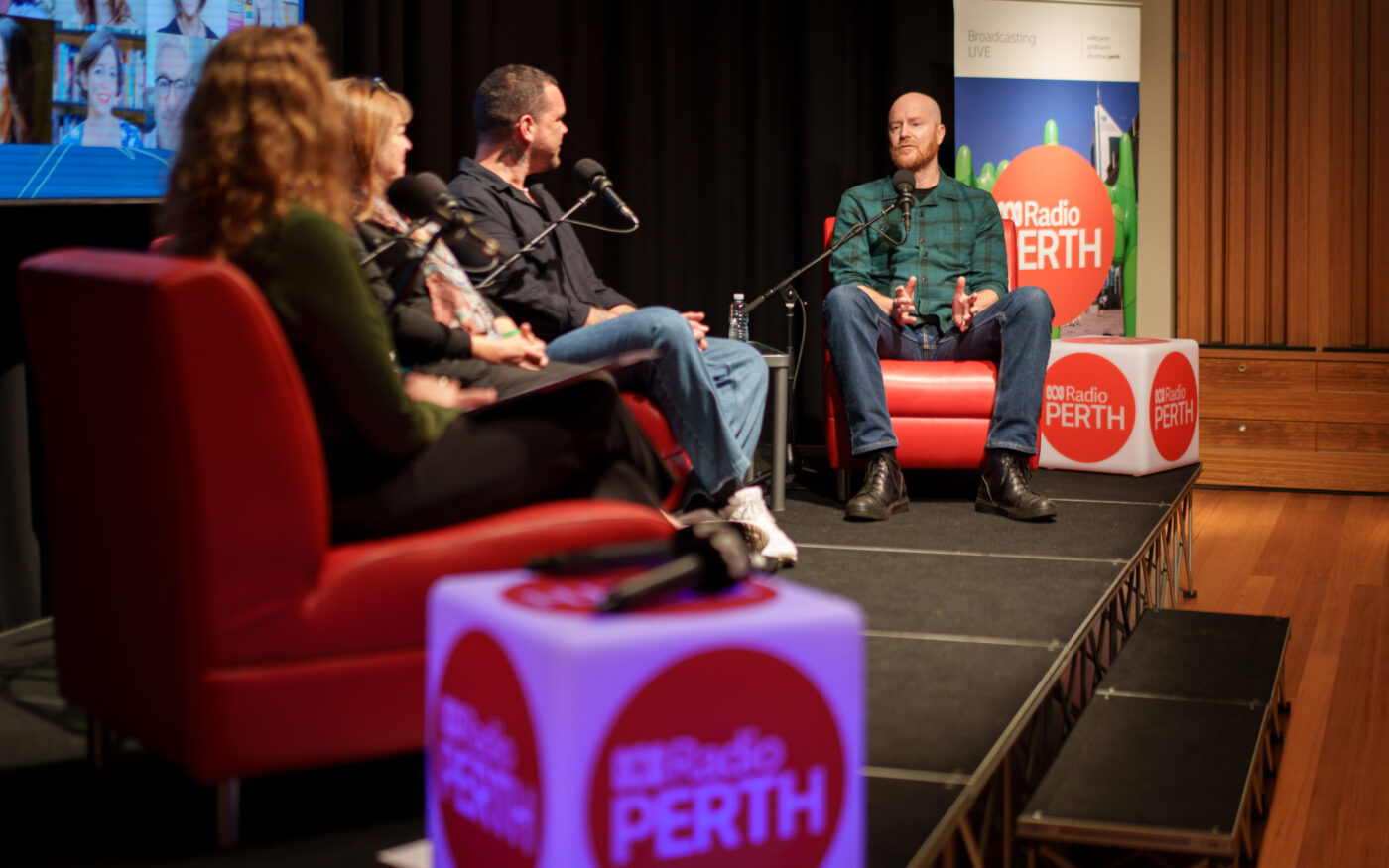
David shared how writing rather than conversation or reflection helped him reconcile with his past. David conducts writing workshops with incarcerated people, and on the writing activities he guides them through, he said, ‘People are able to – sometimes for the first time – go back to the moment where their life changed and see it clearly because there’s distance,’ he explained. This sentiment was echoed by Helen, who described storytelling as a ‘gentler and softer way for people to explore what’s happened to them,’ creating safety while allowing young individuals in particular to control their own narratives and reduce shame. Perhaps most moving was Bebe’s reflection: ‘For so much of my life I just wanted to belong. I might not belong to a person or place, but I belong to myself and that’s enough.’ Storytelling helps us not only connect with others but also with ourselves.
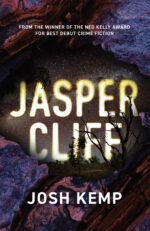
Through a panel on rural crime with Margaret Hickey, Angie Faye Martin and Josh Kemp, it was clear that storytelling also acts as a way to close distances and connect to others no matter where you live. Australia – and Western Australia in particular – is so vast that it’s easy to feel isolated in your experiences. Josh commented that he reads about terrible things and goes to where it happened and wonders how he’d react if he saw these things, exploring that storytelling may also be a way to reconcile with the history we share.
Keeping in the realm of rural fiction, bestselling author Fleur McDonald reflected on why she thinks it’s such a popular genre, saying ‘We love seeing ourselves represented.’
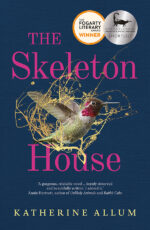
The idea of connection continued into the next panel with Louise Wolhuter, Katherine Allum and Emily Tsokos-Purtill, whose novels explore family legacies that begin in other countries. Louise said, ‘You need connection to belong, but if you come from somewhere else, we search to make connections.’ Katherine agreed with this and said she found her strongest sense of belonging in the literary community here in WA. It’s hard to doubt that.
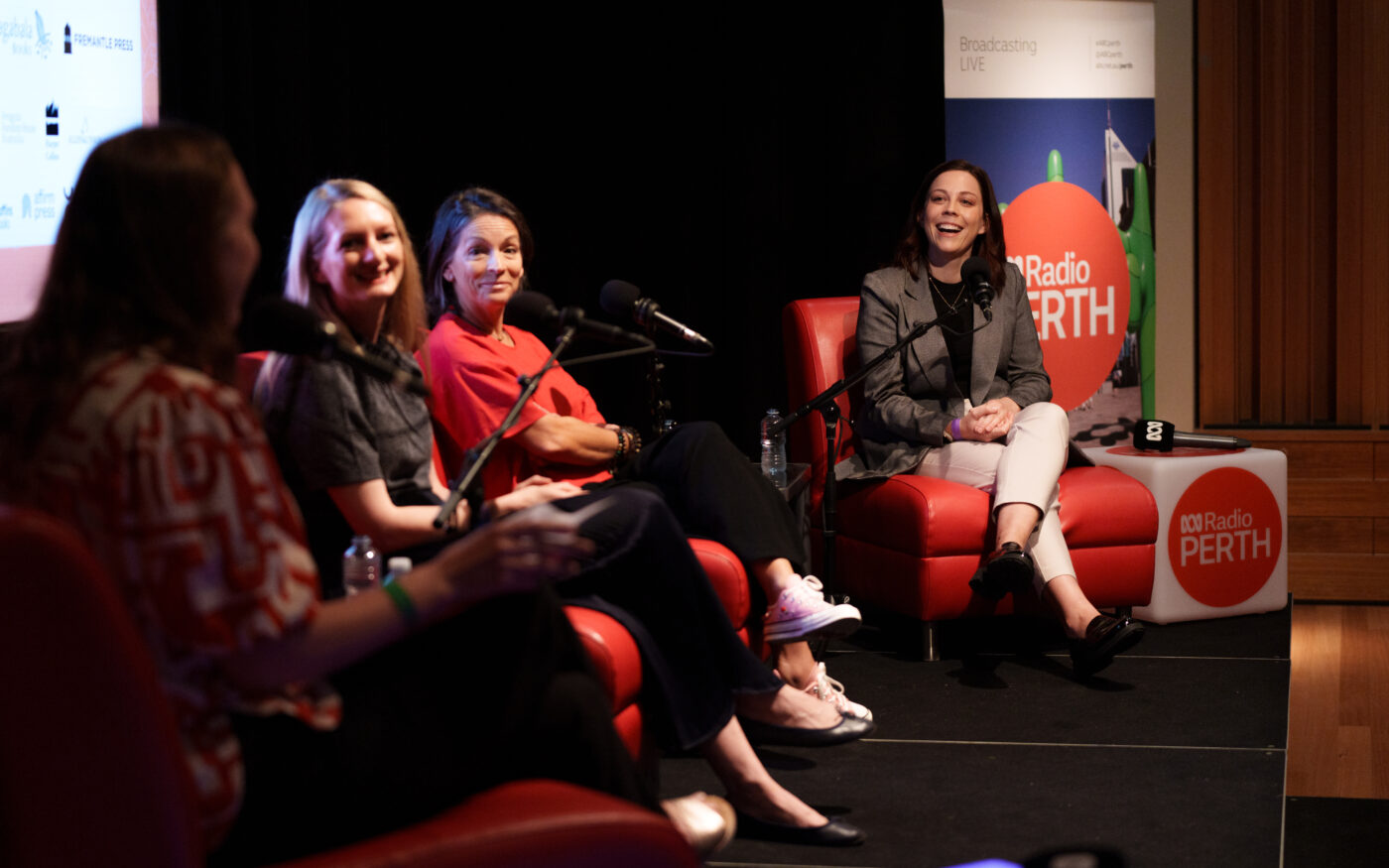
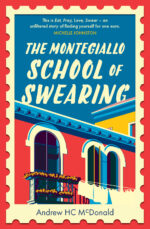
Connection can also happen through hilarity, as demonstrated by the next panel, featuring Kate Emery, Andrew HC McDonald and Meg Bignell. Their novels look quite different on the surface, but are linked through their comedic voices. As host Carrie Cox said, ‘Storytelling is about connecting and one of the most powerful ways to connect is through laughter.’ That connection was obvious as the authors soon had the room in fits of laughter. I don’t think there was a single person not laughing during this panel. An outsider might have told us to ‘Chill down, home slice,’ in the words of Meg Bignell’s teenage son.
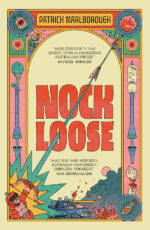
Even two authors from entirely different generations connected over their shared storytelling experience, especially as they are both new authors. Patrick Marlborough and Geoff Hutchison led a hilarious discussion about their books, eventually finding common ground over their shared hatred of John Kerr and the Dismissal.
As the Big Day of Books demonstrated, storytelling remains our most fundamental method of human connection. Whether through healing trauma, exploring dark secrets, finding belonging or sharing laughter, narratives bridge the gaps between us. They allow us to see ourselves in others, and others in ourselves. In the words of Bebe Oliver: ‘If I can’t see myself in stories, maybe someone can see themselves in mine.’ A beautiful reminder that in sharing our stories, we are never truly alone.